SOP Rulebook Drift: Why Two BPO Teams Process the Same Record Differently
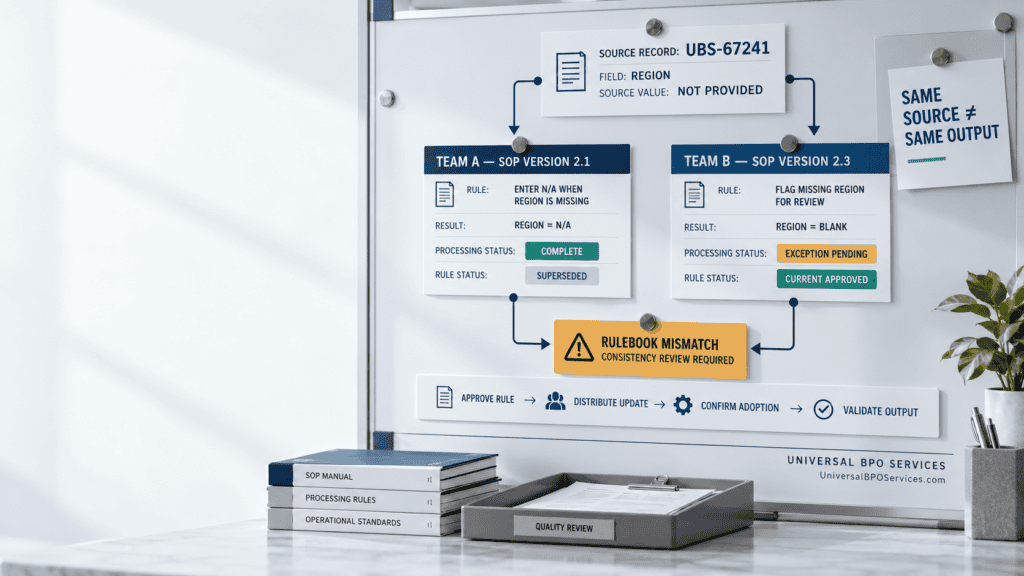
BPO Operations | SOP Governance | Quality Control SOP Rulebook Drift: Why Two BPO Teams Can Process the Same Record Differently Two back-office teams can receive the same source record, perform their assigned tasks carefully, and still produce different outputs. The reason may not be poor employee performance. It may be a difference in the […]
Completed Backlog Does Not Automatically Mean the Process Is Stable
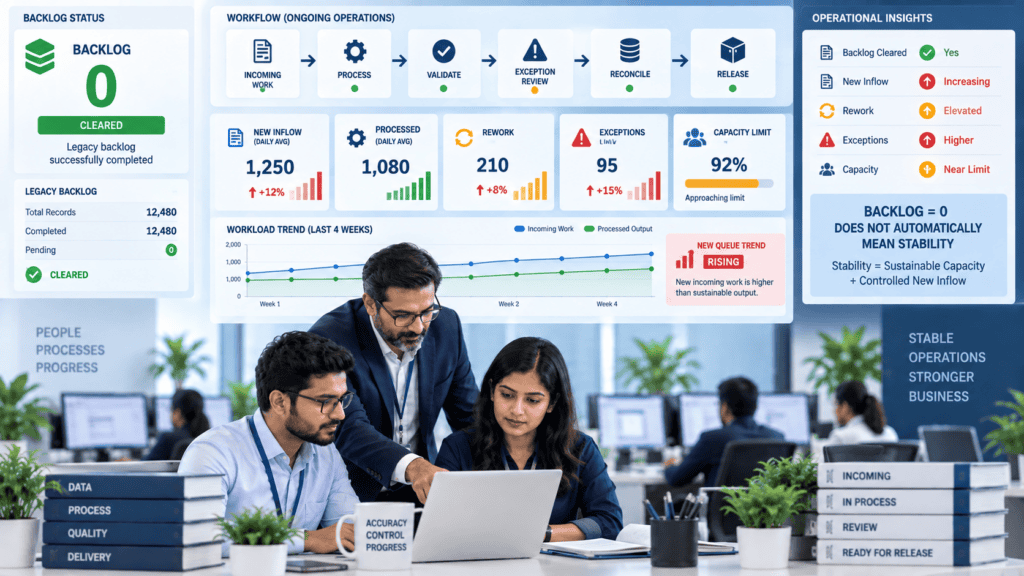
Backlog Recovery & Sustainable Operations Completed Backlog Does Not Automatically Mean the Process Is Stable Clearing an old queue is an important achievement. But sustainable stability depends on whether incoming work, processing capacity, quality, rework and exceptions are balanced enough to stop the backlog from returning. Backlog-reduction projects often create a visible moment of success. […]
A Zero Exception Queue Does Not Automatically Mean the Process Is Under Control
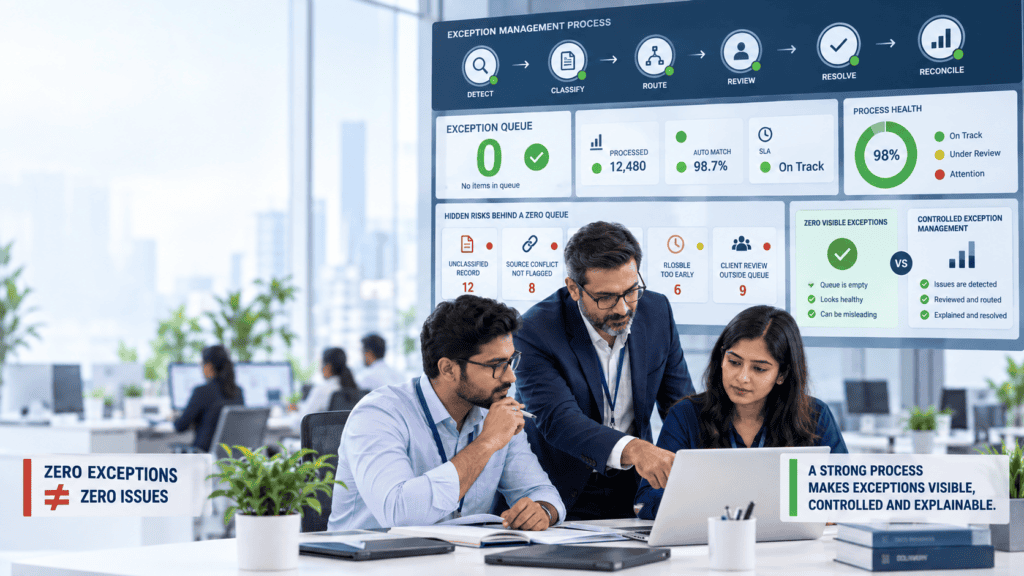
Exception Visibility & Workflow Control A Zero Exception Queue Does Not Automatically Mean the Process Is Under Control An empty exception queue can look like a sign of perfect processing. But if issues are not being detected, classified or routed correctly, the queue can reach zero while important problems remain hidden inside normal workflow. Exception […]
A Clean Output File Does Not Automatically Mean the Process Was Traceable
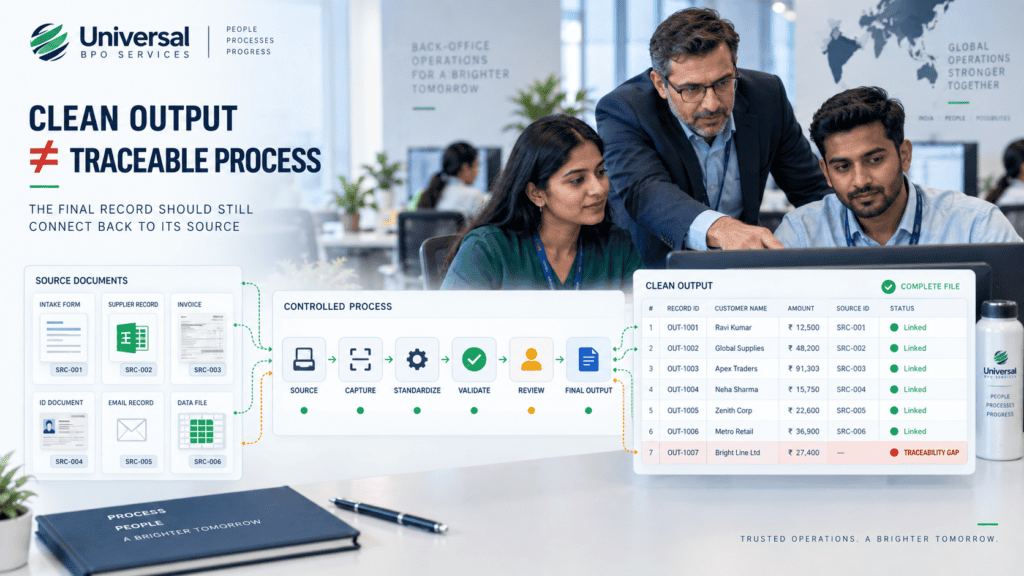
Source Traceability & Process Accountability A Clean Output File Does Not Automatically Mean the Process Was Traceable A final file can look perfectly organized while the path from source to output is unclear. Traceability helps explain where each record came from, what changed, how exceptions were handled and why the final value can be trusted. […]
Standardization Does Not Mean Every Record Should Be Processed the Same Way
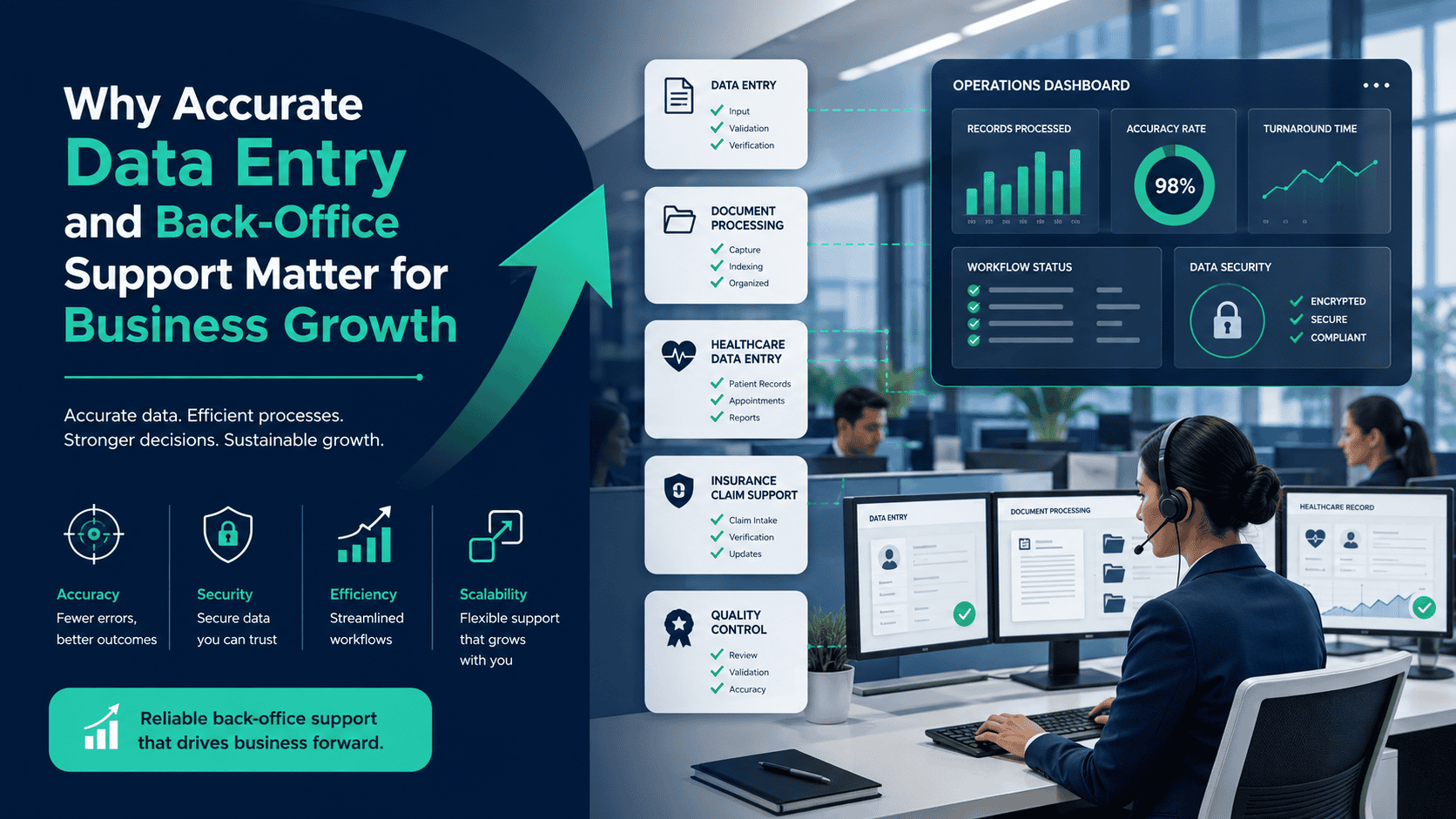
Process Standardization & Controlled Routing Standardization Does Not Mean Every Record Should Be Processed the Same Way Strong SOPs create consistency, but good process design also recognizes that routine, complex and exception records may require different levels of review and different workflow paths. Standardization is essential in high-volume back-office operations. Without clear rules, two people […]
A Dashboard Does Not Automatically Create Visibility

Operational Reporting & Management Visibility A Dashboard Does Not Automatically Create Visibility A dashboard can contain dozens of metrics and still fail to show what needs attention. True operational visibility connects headline KPIs with queues, exceptions, ageing, rework and next actions. Dashboards have become a standard part of modern back-office operations. They can summarize volumes, […]
Automation Does Not Automatically Fix a Broken Process

Automation Readiness & Process Control Automation Does Not Automatically Fix a Broken Process Automation can accelerate repeatable work, but unclear rules, poor source quality, inconsistent classification and weak exception handling can simply make an unstable process move faster. Automation is often discussed as a direct path to higher speed, lower cost and greater capacity. Those […]
A Low Backlog Does Not Automatically Mean the Workflow Is Stable
Backlog Management & Workflow Stability A Low Backlog Does Not Automatically Mean the Workflow Is Stable A small queue can look healthy while uneven capacity, blocked work, hidden exceptions and sudden workload spikes remain capable of destabilizing the operation. Backlog is one of the most visible operational metrics in a back-office environment. When the queue […]
Meeting the SLA Does Not Automatically Mean the Process Is Under Control
SLA Performance & Operational Control Meeting the SLA Does Not Automatically Mean the Process Is Under Control Turnaround performance is important, but a process can meet its SLA while rework, unresolved exceptions, ageing records and reconciliation gaps remain hidden behind the headline metric. Service-level agreements give outsourcing operations an important performance target. They may define […]
A Completed Record Does Not Automatically Mean It Is Ready for Delivery
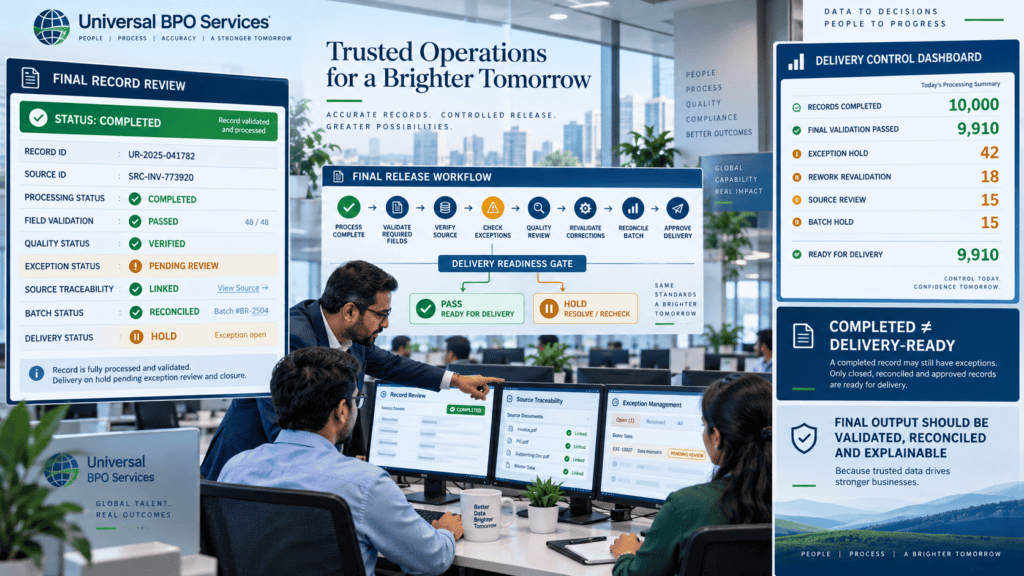
Final Validation & Delivery Control A Completed Record Does Not Automatically Mean It Is Ready for Delivery Completion may mean the assigned processing task is finished. Delivery readiness requires a broader check: validation, exceptions, source traceability, completeness and reconciliation should all support the final output. In high-volume back-office operations, records often move through a series […]